The Future of Graphic Design
As we delve into 2023, the graphic design industry continues to evolve at a rapid pace. With advancements in technology, shifts in consumer preferences, and the emergence of new design tools, graphic design is experiencing a transformation that is reshaping how designers create and communicate. In this article, we will explore the key trends that are defining the future of graphic design and how they are influencing the industry.
1. Embracing Minimalism
Minimalism has been a significant trend in graphic design for several years, and it shows no signs of slowing down. This design philosophy focuses on simplicity and the elimination of clutter, allowing for clear communication and an enhanced user experience. Key aspects of minimalism include:
- Bold Typography: Using large, impactful fonts to convey messages.
- Whitespace: Creating breathing room around design elements to improve readability.
- Limited Color Palettes: Focusing on a few colors to create a cohesive look.
In 2023, minimalism is evolving to incorporate more dynamic elements, such as subtle animations and interactive features, allowing designers to maintain simplicity while enhancing engagement.
2. The Rise of 3D Design
Three-dimensional design is gaining traction as technology makes it more accessible. Tools like Blender and Adobe Dimension enable designers to create stunning 3D visuals that can be integrated into various media. The benefits of 3D design include:
- Enhanced Realism: 3D designs can create lifelike representations of products.
- Immersive Experiences: 3D elements can be used in virtual reality (VR) and augmented reality (AR) applications.
- Versatility: 3D designs can be adapted for print, web, and social media platforms.
As brands look for innovative ways to stand out, 3D design is becoming a crucial tool in the graphic designer’s toolkit.
3. Sustainable Design Practices
With growing awareness of environmental issues, sustainable design practices are becoming increasingly important in the graphic design industry. Designers are now prioritizing eco-friendly materials and processes. Key considerations include:
- Digital Over Print: Emphasizing digital designs to reduce paper waste.
- Eco-Friendly Materials: Using recycled or sustainably sourced materials for printed designs.
- Energy-Efficient Tools: Adopting software and hardware that consume less energy.
In 2023, sustainability is not just a trend; it is becoming a core value for many designers and brands, influencing everything from branding to packaging design.
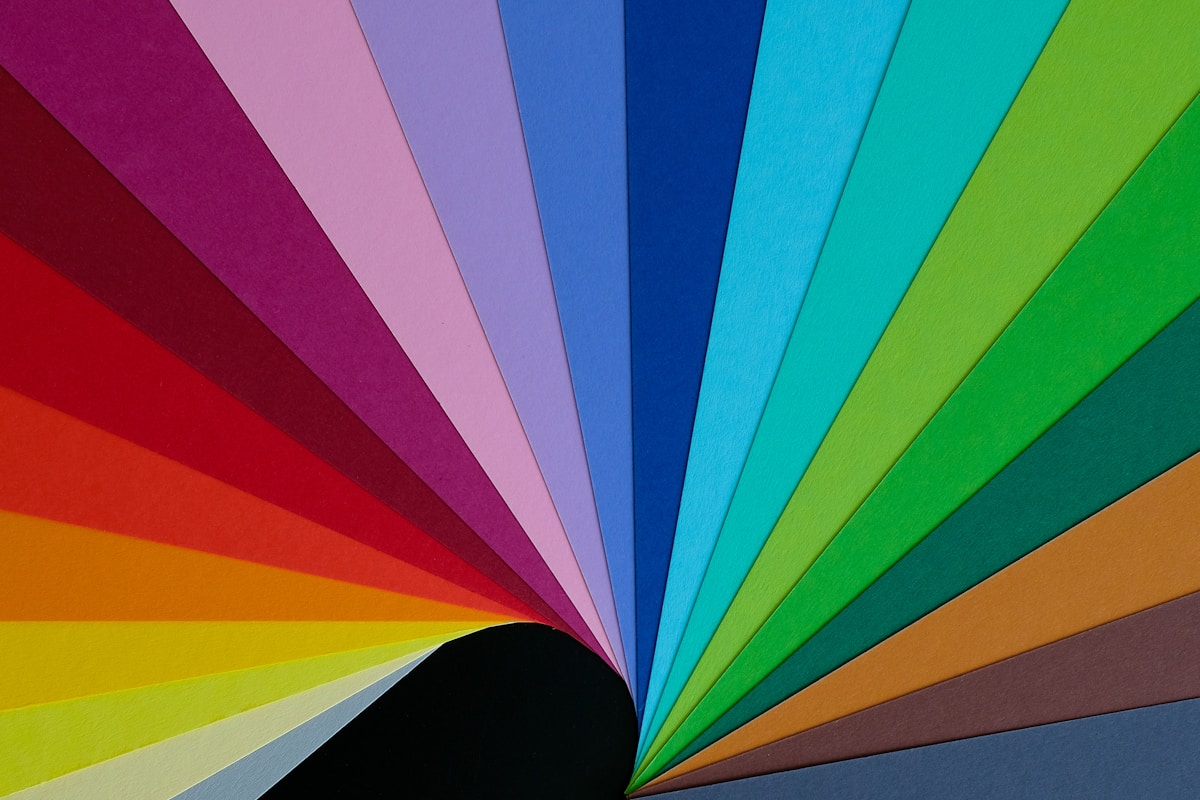
4. Bold Colors and Gradients
Color trends in graphic design are shifting towards bold, vibrant palettes. Designers are increasingly using gradients and bright colors to create eye-catching visuals. This trend can be seen in:
- Branding: Companies are using bold colors to differentiate themselves and create memorable identities.
- Web Design: Websites are incorporating gradients for backgrounds and buttons to enhance visual appeal.
- Social Media Graphics: Bright colors are being used to capture attention in a crowded digital space.
As we move through 2023, expect to see even more experimentation with color combinations and gradient techniques that push the boundaries of traditional design.
5. Motion Graphics and Animation
Motion graphics are becoming a staple in graphic design, with animated elements increasingly used to grab attention and convey messages. The benefits of incorporating motion graphics include:
- Increased Engagement: Animated content tends to capture viewers’ attention more effectively than static images.
- Enhanced Storytelling: Motion can be used to guide viewers through a narrative in a compelling way.
- Versatility: Motion graphics can be applied across various platforms, including websites, social media, and video content.
In 2023, designers are expected to use motion graphics not just for promotional content but also for educational and informative purposes, enhancing the overall user experience.
6. Personalization and Customization
As consumers increasingly seek personalized experiences, graphic design is adapting to meet these demands. Customization in design can be achieved through:
- User-Generated Content: Encouraging users to contribute designs or elements that reflect their preferences.
- Dynamic Content: Creating designs that change based on user behavior or preferences.
- Interactive Elements: Allowing users to engage with designs, such as customizable templates or interactive infographics.
This trend towards personalization is shaping how brands communicate with their audiences, making design a more integral part of the customer journey.
Conclusion
The graphic design landscape in 2023 is marked by innovation and a focus on user experience. As designers embrace minimalism, 3D elements, sustainability, bold colors, motion graphics, and personalization, the industry is poised for exciting developments. By staying ahead of these trends, graphic designers can create impactful visuals that resonate with audiences and drive engagement.
As we look to the future, it is clear that the evolution of graphic design will continue to challenge traditional norms and inspire creativity across various mediums.